
Signs Your Pet Needs Emergency Veterinary Care
Signs Your Pet Needs Emergency Veterinary Care
As pet owners, we all hope our dogs, cats and other beloved companions will stay healthy and happy. However, accidents and sudden illnesses can happen at any time, and recognizing when your pet requires emergency veterinary care could make a significant difference to their recovery.
While some health issues can safely wait for a routine appointment, others require immediate attention. Understanding the warning signs can help you act quickly and ensure your pet receives the treatment they need.
Understand the Warning signs
Breathing Difficulties
Breathing problems should always be treated as an emergency. If your pet is struggling to breathe, breathing rapidly, making unusual noises whilst breathing, or showing signs of distress, contact your veterinary surgeon or emergency veterinary practice immediately.
Other warning signs may include:
- Excessive panting without exercise
- Open-mouth breathing in cats
- Blue, grey or pale gums
- Wheezing or choking sounds
- Labored or shallow breathing
Respiratory issues can deteriorate quickly and may become life-threatening if left untreated.
Severe Bleeding or Injury
If your pet has suffered a serious injury, such as being involved in a road traffic accident, falling from a height, or sustaining a deep wound, they should be assessed by a veterinary professional as soon as possible.
Seek emergency veterinary care if you notice:
- Uncontrolled bleeding
- Visible fractures or broken bones
- Difficulty standing or walking
- Signs of severe pain
- Deep cuts or puncture wounds
- Significant swelling following an injury
Even when injuries appear minor, internal damage may not be immediately visible. Prompt assessment can help identify potentially serious complications.
Seizures
Witnessing a seizure can be extremely distressing for any pet owner and often requires urgent veterinary attention.
Signs of a seizure may include:
- Sudden collapse
- Uncontrolled muscle movements
- Paddling of the legs
- Loss of consciousness
- Excessive drooling
- Disorientation following the episode
If your pet experiences a seizure lasting more than a few minutes, has multiple seizures within a short period, or suffers a first-time seizure, contact an emergency vet immediately.
Persistent Vomiting or Diarrhea
Whilst occasional digestive upset is relatively common, repeated vomiting or diarrhea can quickly lead to dehydration and may indicate a more serious underlying condition.
Emergency veterinary treatment may be required if your pet:
- Cannot keep water down
- Has blood in their vomit or feces
- Appears weak or lethargic
- Has a swollen or painful abdomen
- Is very young, elderly, pregnant, or has existing health conditions
Early treatment can help prevent complications and identify the cause of the illness more effectively.
Suspected Poisoning
Many common household products and foods can be highly toxic to pets, including:
- Chocolate
- Grapes and raisins
- Human medications
- Cleaning products
- Antifreeze
- Certain garden plants and flowers
- Rodenticides and pesticides
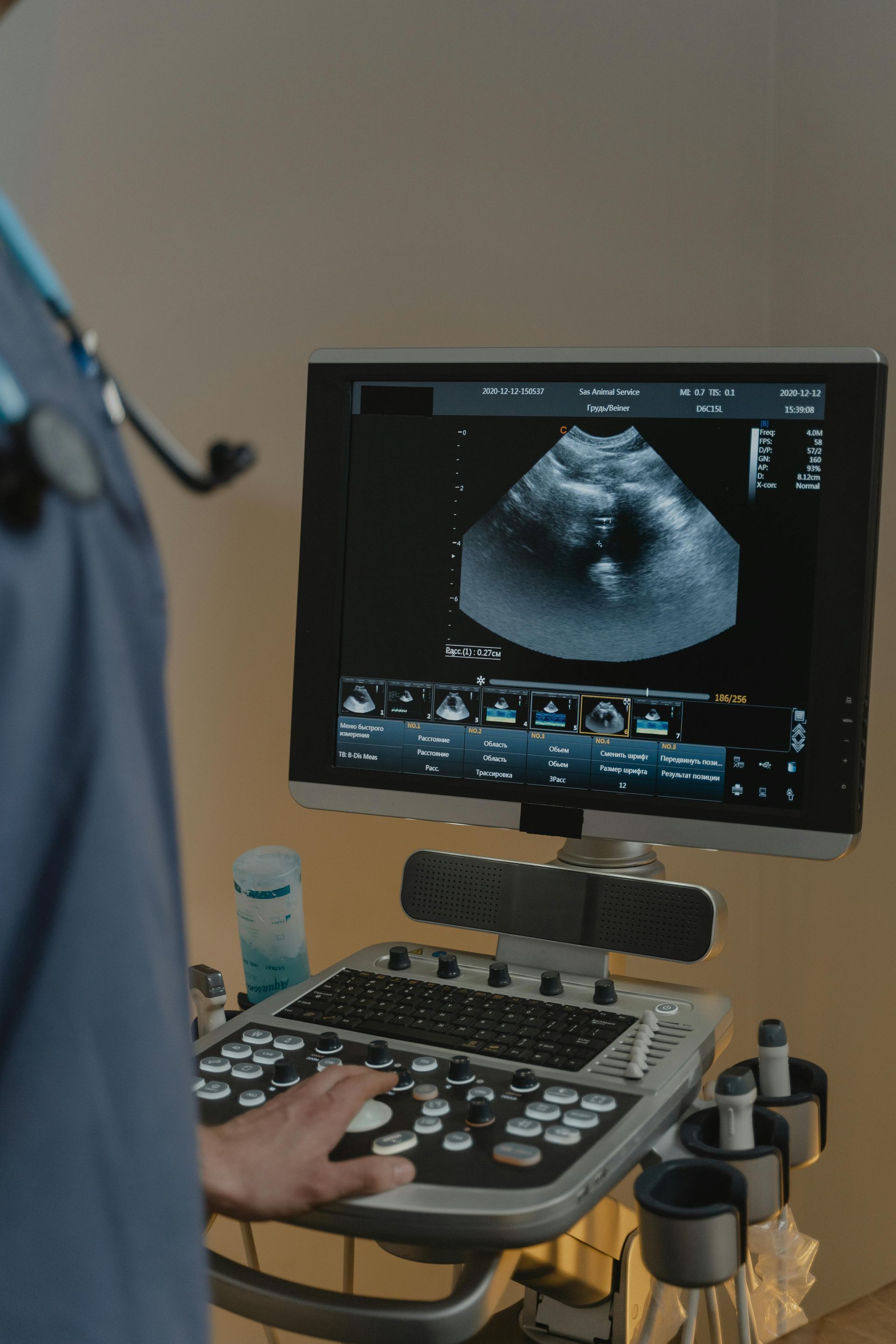
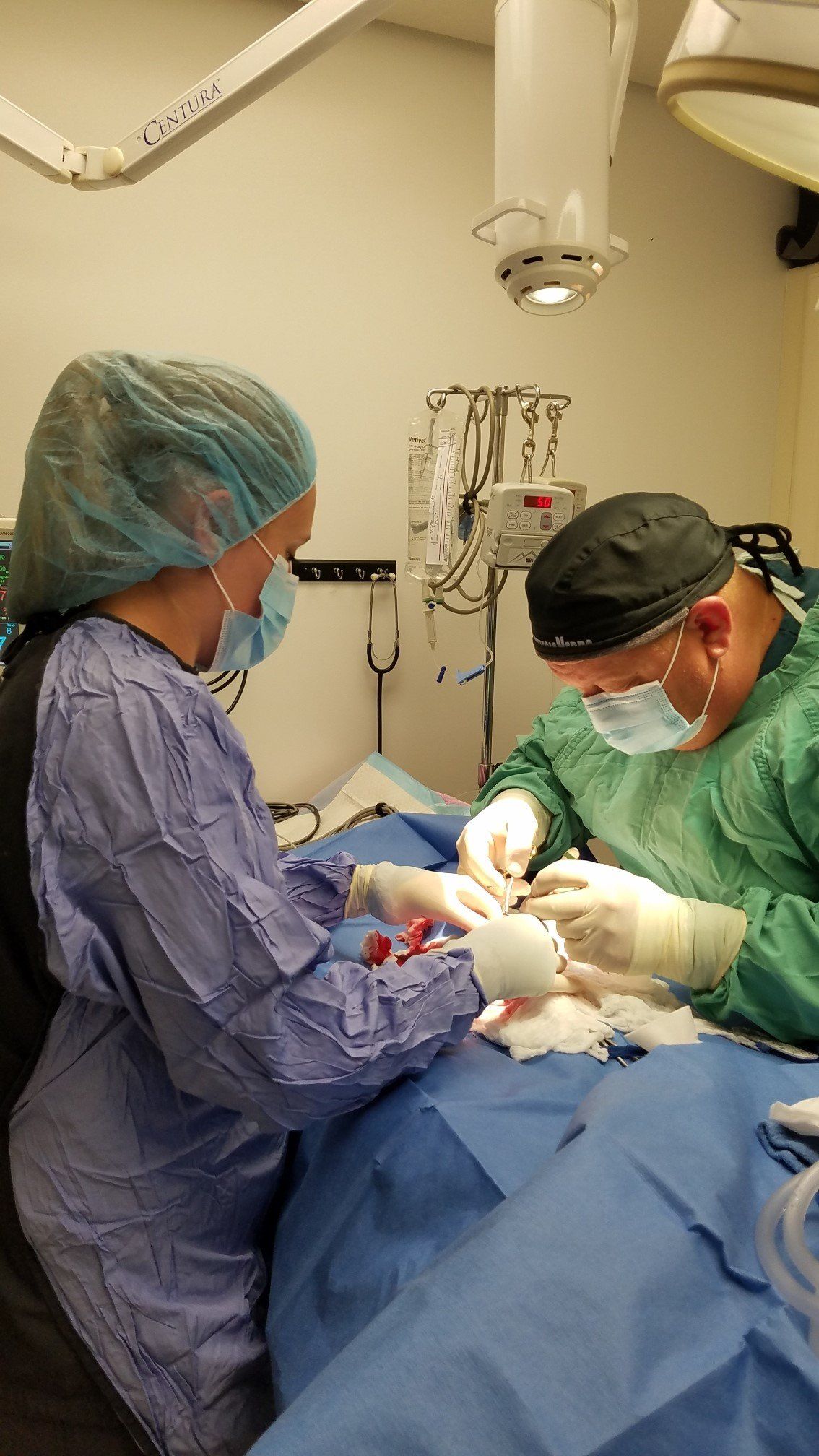
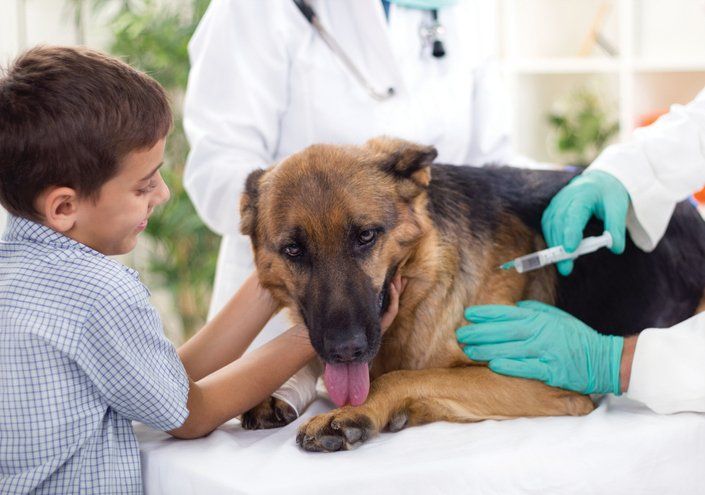


Trust Your Judgement - Visit Our Walk-In Vet Clinic
As a pet owner, you know your pet's normal behaviour better than anyone. If they are displaying unusual symptoms, appear distressed, or you are concerned about their wellbeing, it is always advisable to seek professional veterinary advice.
Many emergency conditions can deteriorate rapidly without treatment. Prompt assessment by a veterinary professional can help identify the underlying cause, relieve suffering and, in some cases, save your pet's life. If you are unsure whether your pet requires urgent treatment, contact NW PA Pet Emergency Center for compassionate and prompt guidance. Our experienced team is available after hours to treat sudden illnesses, injuries, and other urgent medical conditions that require immediate attention. As a trusted emergency animal hospital in Erie, PA, we offer a full range of emergency veterinary services, including urgent pet care, emergency surgery, critical care, and trauma treatment—delivering prompt, high-quality care when your family veterinarian is unavailable.