Common Household Items That Are Toxic to Dogs and Cats
Know the Common Household Hazards
Before an Accidental Exposure Becomes an Emergency
Our homes are filled with products that help us clean, cook, work, and care for ourselves every day. Unfortunately, some of these common household items can be dangerous or toxic to dogs and cats if they are swallowed, licked, or otherwise exposed to them.
Pets are naturally curious and may investigate items left within reach, including medications, foods, cleaning products, personal care items, and other household substances. Some exposures may cause mild stomach upset, while others can result in serious or potentially life-threatening complications. Knowing which common items can pose a risk and keeping them safely out of reach can help protect your pet.
Common Household Items That Can Be Toxic to Pets
Many products that are perfectly safe for people can be harmful to dogs and cats. The severity of an exposure depends on the substance, the amount ingested, and the size and health of your pet.
Human Medications
Human medications are among the most common sources of pet toxin exposures. Pain relievers such as ibuprofen and acetaminophen can be dangerous to pets, while other prescription and over-the-counter medications can also cause serious problems.
Keep all medications, vitamins, supplements, and other medications securely stored in cabinets or containers that your pets cannot access. Remember that medications can also be accidentally dropped on the floor or left in purses, backpacks, or other accessible places.
Chocolate and Certain Foods
Chocolate is a well-known household hazard for pets, particularly dogs that may eat large quantities before their owners realize what has happened. Other foods that can be dangerous include grapes and raisins, onions and garlic, and products containing xylitol.
Keep potentially toxic foods away from your pets, including foods stored on countertops, tables, and in accessible trash cans.
Cleaning Products
Cleaning products can contain ingredients that irritate or damage a pet's mouth, digestive tract, skin, or other tissues. Bleach, toilet bowl cleaners, drain cleaners, and other concentrated products can be particularly concerning.
Always follow product labels and keep cleaning supplies securely stored when they are not being used. Pets should also be kept away from freshly cleaned areas until products have been properly used, rinsed when appropriate, and allowed to dry.
Laundry Products
Laundry detergent, detergent pods, dryer sheets, and fabric softeners can all present risks to pets. In addition to gastrointestinal irritation, some laundry products can cause significant chemical injuries. Dryer sheets and fabric softeners may contain cationic detergents that can cause serious burns and ulcers if ingested.
Keep laundry products behind closed doors and dispose of used dryer sheets where pets cannot reach them.
Personal Care Products
Pets may also investigate items such as toothpaste, lotions, cosmetics, and other personal care products. Some toothpaste contains xylitol, which can cause dangerously low blood sugar and potentially liver damage in dogs.
Even products that are not highly toxic can cause stomach upset when swallowed, and packaging can create an additional risk of intestinal obstruction. Keep personal care products stored securely and avoid allowing pets to lick products directly from containers or recently applied areas.
Batteries and Other Household Items
Batteries can cause serious injuries if chewed or swallowed. Certain batteries can leak corrosive material, while swallowed batteries may cause damage to the digestive tract.
Other household products, including certain automotive products, chemicals, and pest-control substances, can also pose significant risks. When in doubt about the safety of a household item, keep it away from your pets and contact your veterinarian for guidance.
Signs of Possible Poisoning in Dogs and Cats
- Vomiting or diarrhea
- Excessive drooling
- Loss of appetite
- Weakness or lethargy
- Difficulty walking or loss of coordination
- Tremors or seizures
- Changes in behavior
- Difficulty breathing
- Abdominal pain
- Excessive thirst or urination
- Collapse or loss of consciousness


Seek Emergency Veterinary Care for Suspected Poisoning - Visit Our Emergency Vet Clinic in Erie, PA
Toxin ingestion can become a serious emergency, particularly when a pet has consumed medication, chemicals, cleaning products, certain foods, or another potentially dangerous substance. If your dog or cat may have been exposed to a toxic household item, contact your veterinarian or an animal poison-control service immediately for guidance. The ASPCA Animal Poison Control Center can be reached at (888) 426-4435.
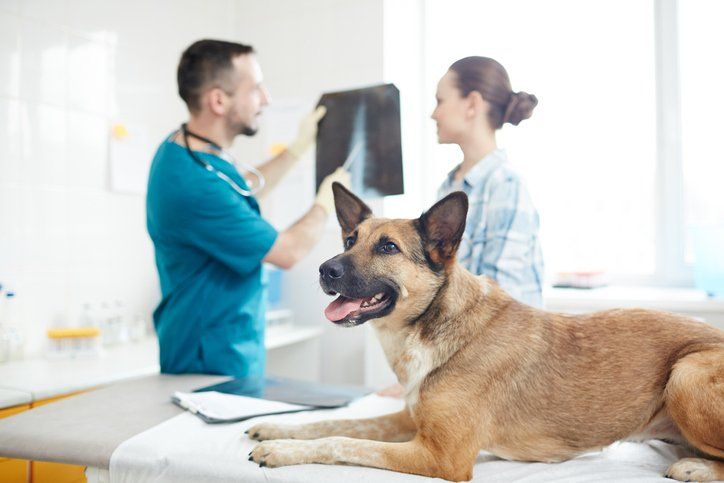
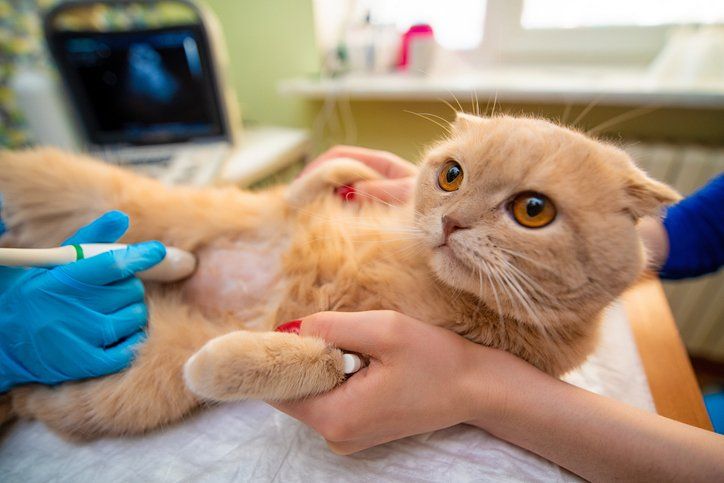
At NW PA Pet Emergency Center, our experienced emergency veterinary team provides prompt, compassionate care for dogs and cats experiencing sudden illnesses, toxin exposures, and other urgent medical conditions. Our facility is equipped with services including laboratory testing, cardiac monitoring, radiology, ultrasound, and emergency surgery when needed.
If your pet has ingested a potentially toxic household item or is showing signs of poisoning, don't wait to see whether the symptoms improve on their own. Contact us or come directly to our emergency animal hospital in Erie, PA so our team can assess your pet and provide the urgent treatment they need.